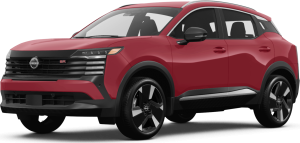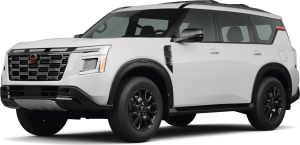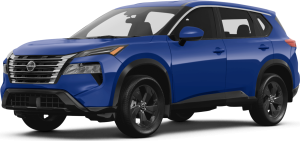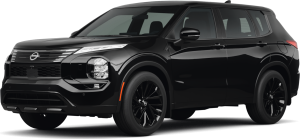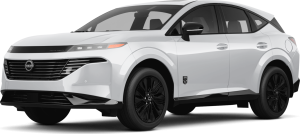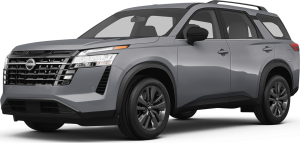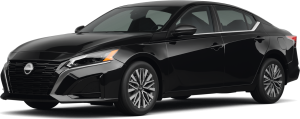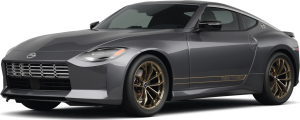

A practical guide to preparing Nissan Safety Shield 360 for wet-weather driving on US-76. Learn how to clean sensors, verify system settings, and confirm each of the six safety features Automatic Emergency Braking, Blind Spot Warning, Rear Cross Traffic Alert, Lane Departure Warning, High Beam Assist, and Rear Automatic Braking before fall rains arrive in the SC Midlands.
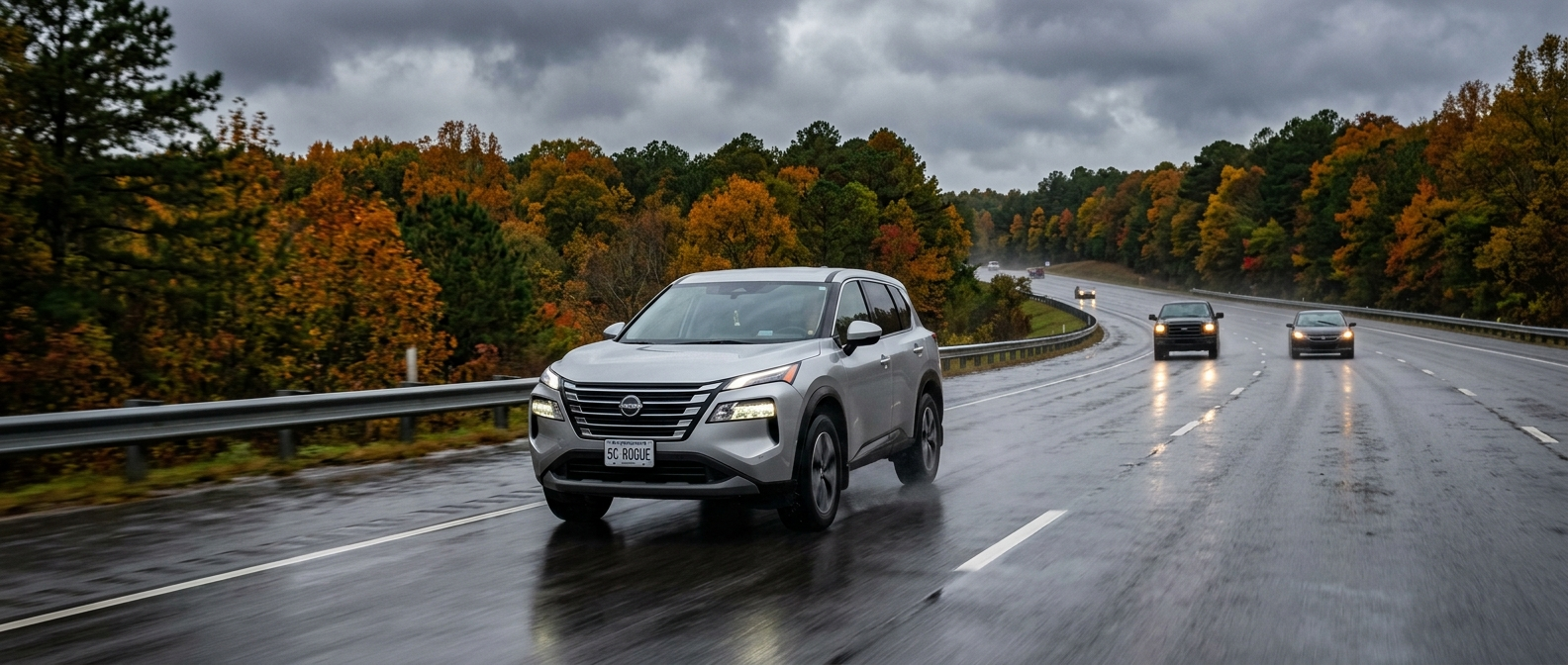
Fall in the SC Midlands runs on a particular rhythm. You get a week of cool, dry mornings, then a passing tropical system or a stalled cold front drops two inches on Sumter in an afternoon. All at once, US-76 between here and Columbia is a different road than it was at sunrise. The pavement goes slick, spray off the trucks kills your sight lines, and your stopping distance stretches out. Safety Shield 360 is built for exactly that moment. It isn't a light switch that flips on by itself and runs perfectly with no input from you.
We walk customers through a pre-rain setup on every delivery. This guide puts that same process in writing so you can run it yourself before the next storm rolls through.
Browse the 2026 Nissan Rogue to see the models on our lot that come ready with this setup.
What You Need Before You Start
Before you run through the steps below, gather these items and confirm these specs. The table covers the six Safety Shield 360 features and what each one needs from you to work correctly.
| Safety Shield 360 Feature | What it uses | Your pre-rain check |
|---|---|---|
| Automatic Emergency Braking (AEB) with Pedestrian Detection | Front radar + front camera | Clean camera lens; system not manually switched off in settings |
| Blind Spot Warning | Rear side radar sensors | No rear mud splash blocking sensors; warning set to "ON" in driver settings |
| Rear Cross Traffic Alert | Rear radar | Same sensor zone as Blind Spot Warning; confirm alert tone is audible |
| Lane Departure Warning | Front camera | Camera lens unobstructed; rain sensitivity may increase false alerts on faded lane paint |
| High Beam Assist | Front camera | Confirm auto-headlight mode is active; system will not engage in manual headlight mode |
| Rear Automatic Braking | Rear sonar | Confirm sonar not muffled by a trailer hitch cover or cargo accessory |
Tools / items to have on hand: a microfiber cloth, your vehicle settings menu (accessible via the center screen), and about 10 minutes in a parked, well-lit spot.
How to Activate and Verify Each Feature Before a Wet Drive on US-76
The 2026 Nissan Sentra uses the same Safety Shield 360 suite and the same setup procedure below. So if you're in a Sentra or a Rogue, these steps apply equally. The IIHS awarded the 2026 Sentra its first-ever TOP SAFETY PICK+ rating and the 2026 Rogue its TOP SAFETY PICK designation, both earned in 2025-2026 evaluations that include crash-avoidance performance. Wet pavement is exactly where that performance shows up.
Step 1: Park in a well-lit spot and wipe down the cameras and sensors.
The front camera (above the windshield, behind the rearview mirror) and the rear camera are the eyes of the system. Rain, road spray, and pine pollen (all three are real in the Midlands through September and October) can coat a lens and degrade radar read. Take the microfiber cloth and wipe both the front camera housing and the rear camera. While you're at it, run your hand along both rear corner bumper sections where the blind-spot radar sensors sit. Mud splash off the shoulder of US-76 builds up there quicker than you'd think, especially after a wet week.
Step 2: Start the vehicle and open the Safety Assist settings menu.
On 2026 Nissan models, press Settings on the center touchscreen, then head to Safety Assist (or Driver Assistance, depending on trim). You'll see individual toggles for each of the six Safety Shield 360 features. The easy step to skip is right here, since it's tempting to assume the factory defaults are ideal for every condition. They're a good starting point. They aren't a final answer.
Step 3: Confirm Automatic Emergency Braking is set to ON and verify the alert distance.
AEB with Pedestrian Detection is the feature that can apply the brakes if the system detects an imminent collision with a vehicle ahead or a pedestrian in the roadway. On wet pavement, your stopping distance increases. Nissan's system accounts for this by scanning continuously. The caveat worth knowing is that Nissan specifies AEB performance can be reduced in heavy rain, dense fog, or when the front camera is obscured. None of that's a flaw specific to Nissan, since radar and camera systems across the industry share the same physical limitation. What you can control is starting the rain event with a clean sensor and an active setting.
Step 4: Set Lane Departure Warning sensitivity, then verify your headlight mode.
Lane Departure Warning uses the front camera to read lane markings. On US-76 outside Sumter, plenty of stretches have older pavement where lane paint has faded under heavy commercial traffic. Rain makes faded paint nearly invisible to the camera and to your own eyes. In our experience, the system will sometimes throw a Lane Departure alert on those worn stretches in heavy rain precisely because it's working. It can't confirm you're centered, so it flags it. The system is doing its job, not malfunctioning. Set sensitivity to your comfort level in the Safety Assist menu. Then confirm your headlights sit in AUTO mode. High Beam Assist only operates when the headlight stalk is in the AUTO position, and if you've switched your lights on manually, High Beam Assist shuts itself off.
Step 5: Enable Blind Spot Warning and confirm the audio alert tone is turned up.
Blind Spot Warning lights a small indicator in your side mirror when another vehicle sits in your adjacent lane. On a four-lane highway like US-76 in steady rain, spray off the 18-wheelers can make a mirror-check genuinely tough. The audio alert is your backup. Head into Sound settings and make sure the alert volume isn't competing with road noise. If you're driving with kids in the back, the cabin gets noisy enough that a quiet chime slips by unnoticed.
Step 6: Check Rear Cross Traffic Alert and Rear Automatic Braking before you leave.
Back into an open space slowly (a driveway, a parking lot) and let the system scan. If Rear Cross Traffic Alert fires on a pedestrian or a cart crossing behind you, you'll know the rear radar is reading right before you're stuck in a parking lot in heavy rain. Rear Automatic Braking uses sonar (closer-range detection) to stop the vehicle if a stationary object appears directly behind you while reversing. Confirm the sonar isn't blocked by a trailer hitch cover, a ball mount, or a cargo carrier sitting in the detection zone.
Schedule a Pre-Rain Safety Check
Before You Go: Rainy-Road Checklist for US-76
Run through this list before any fall drive in wet conditions. Print it or screenshot it.
- [ ] Front camera housing wiped clean with a dry microfiber cloth
- [ ] Rear camera clean; rear bumper sensor zones free of mud or debris
- [ ] Safety Assist menu opened; all six Safety Shield 360 toggles confirmed ON
- [ ] AEB with Pedestrian Detection confirmed active in settings
- [ ] Lane Departure Warning sensitivity set; aware of faded-paint false alerts on older US-76 pavement
- [ ] Headlight stalk confirmed in AUTO mode (required for High Beam Assist to operate)
- [ ] Blind Spot Warning audio alert volume checked and audible over cabin noise
- [ ] Rear Cross Traffic Alert tested with a slow reverse in a clear area
- [ ] Rear Automatic Braking sonar zone confirmed clear (no hitch cover or cargo carrier blocking it)
- [ ] Tires visually checked (Safety Shield 360 can't compensate for worn tread on wet asphalt)
A Quick Recap Before You Head Out
Safety Shield 360 asks for two things before a wet drive, six features to confirm and about ten minutes of setup, and the division of labor is straightforward. The system handles the road while you handle the prep in the driveway. The one thing the features table and the steps above can't give you is tire condition. Our service team can do a tread check alongside any vehicle inspection, and worn tires remain the top cause of loss of control on wet pavement no matter how well-configured your ADAS suite is.
The 2026 Nissan lineup carries some of the strongest IIHS safety credentials the brand has earned in years. Per IIHS evaluations, the 2026 Pathfinder and 2026 Murano each hold TOP SAFETY PICK+ status. The 2026 Rogue holds TOP SAFETY PICK. The 2026 Sentra, redesigned this model year, earned TOP SAFETY PICK+ in its very first year on the new platform.
Do those ratings earn their keep here? They do, most of all in the conditions that happen around Sumter, rain, low light, highway speeds, and the kind of sudden downpour the SC Midlands delivers through October.
See the 2026 Nissan Pathfinder if you're weighing a three-row option with that same safety pedigree.
We're here at 2600 Broad St in Sumter if you want to walk through the Safety Assist menu in person, or if you'd rather have our team run a full pre-season safety check before fall driving hits its stride.
Frequently Asked Questions
Does Safety Shield 360 still work in heavy rain?
Safety Shield 360's six features use a mix of radar, cameras, and sonar. Per Nissan's own specifications, camera-dependent features like Automatic Emergency Braking and Lane Departure Warning can see reduced performance in conditions that obstruct the lens (heavy rain, dense fog, or significant road spray). Radar-based features like Blind Spot Warning are less affected by rain. Keeping the front and rear camera lenses clean before you drive in wet weather is the most effective step you can take to hold system performance.
Is Safety Shield 360 standard on every 2026 Nissan trim level?
According to Nissan USA's published specifications, Safety Shield 360 is standard across the 2026 Sentra, Altima, Kicks, Rogue, Murano, Armada, and Pathfinder lineups. It isn't an upgrade package you have to select. It ships on every trim of those models. The 2026 Rogue (model year 2026.5) includes Safety Shield 360 standard on the SV, Rock Creek, Dark Armor, and Platinum trims, with core AEB and forward collision warning standard across all trims including the base S.