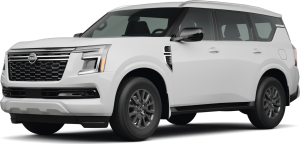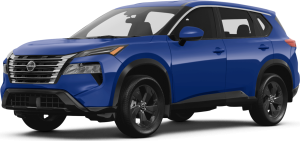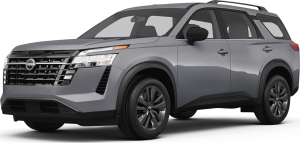

A practical guide to preparing a Nissan for holiday travel. Learn what to check before leaving Sumter for Thanksgiving or beyond, from tire pressure and brake condition to exterior lights and wiper blades. Discover why seasonal hazards like deer collisions demand special attention in the South Carolina Midlands during November, and why a battery load test matters more than a voltage check alone on extended highway trips.
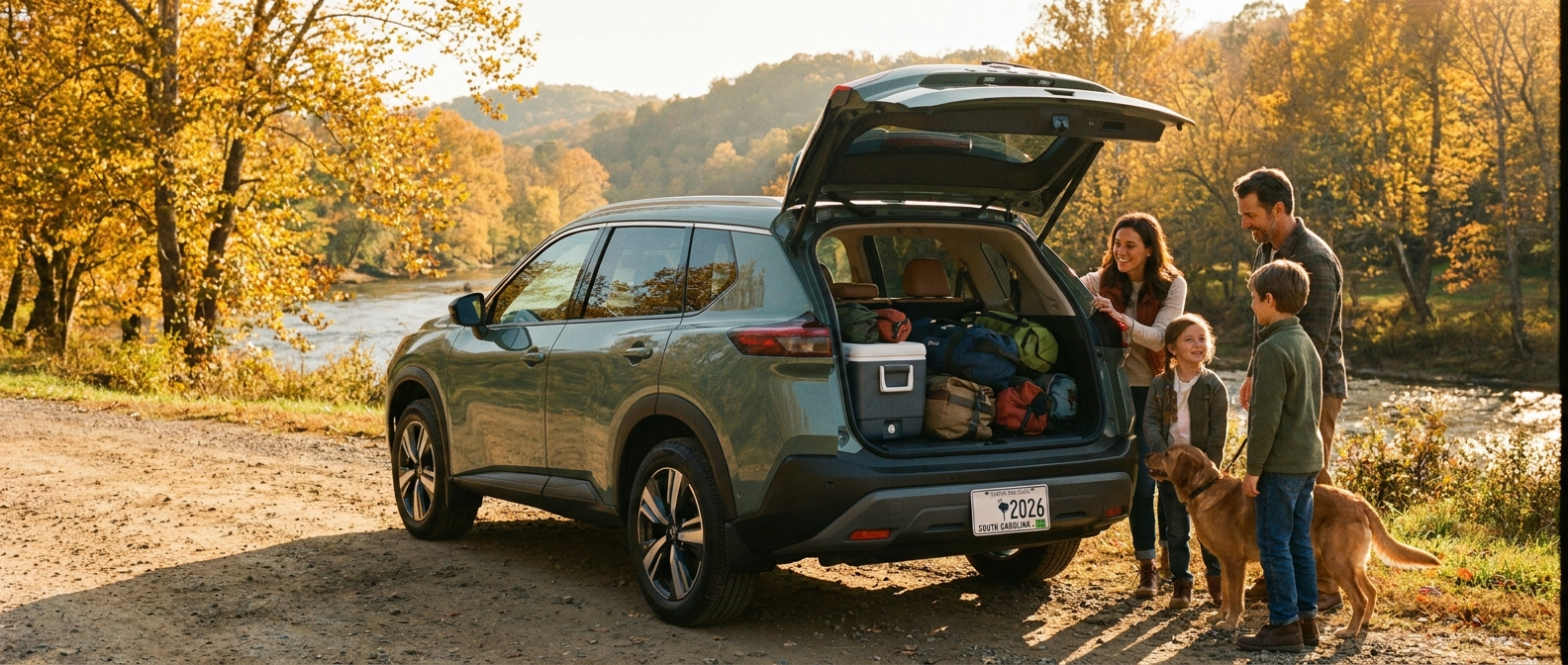
Holiday road trips don't fail in the driveway. They fail at mile 140 on a dark stretch of highway, when something you could've caught ahead of time decides to remind you it was overdue. Get ahead of it now, before the turkey's on and the traffic is thick, with this checklist built for Nissan drivers leaving Sumter.
Schedule a service appointment before your holiday window closes. November slots fill up fast.
What Goes on the Checklist?
Work through every item on this list at least a week before you leave, since most are quick two-minute confirmations and only a couple could turn up a part worth ordering ahead, which gives our team room to fit you in without anybody rushing.
- [ ] Engine oil and filter. Check level and color on the dipstick. Dark, gritty oil that's past its interval should be changed before you leave.
- [ ] Coolant level. Verify the reservoir sits within range. Sumter Novembers stay mild by most standards, but overnight lows can dip into the upper 30s. Coolant protects the engine on cold starts and on extended highway pulls alike.
- [ ] Brake fluid. Low or discolored brake fluid points to moisture absorption, which affects pedal feel over a long drive. If it's been more than two years since the last exchange, ask us to check it.
- [ ] Transmission fluid. Easy to miss on a quick check. Dark or burnt-smelling fluid means the interval is up.
- [ ] Windshield washer fluid. Top it off. Bug residue plus morning dew on a highway run is a visibility problem you don't want to solve at 70 mph.
- [ ] All four tires + the spare. Check pressure, tread depth, and condition. Look for cracks or sidewall bulges.
- [ ] Battery load test. A battery that starts the car fine around town can fall short under sustained electrical load on a long drive.
- [ ] Brake pads and rotors. Squealing, grinding, or a soft pedal are the obvious tells. Even quiet brakes can sit close to the wear limit, and a tech can measure pad thickness in minutes.
- [ ] All exterior lights. Headlights, taillights, brake lights, and turn signals. One burnt-out brake light on a night drive back from Columbia is a ticket and a hazard.
- [ ] Wiper blades. Blades that streak or chatter on your commute will be worse in nighttime rain. South Carolina's fall weather delivers both.
- [ ] Cabin air filter. A clogged filter strains the HVAC system and makes the interior feel stuffy on a long haul with a full car.
- [ ] Safety Shield 360 camera lenses. A quick wipe on the Around View Monitor camera lenses takes 30 seconds. Caked-on road grime from a wet fall commute can degrade the image noticeably.
Why These Items Matter More Right Now
Every item on the checklist earns a look, but a handful turn urgent the week before a long drive, since seasonal load has a way of exposing anything that's already marginal, even the parts that feel perfectly fine on your daily loop around Sumter. Tires are the one item that can't wait. Per NHTSA guidance, check tire pressure when the tires are cold (the vehicle has been parked for at least three hours). Read the recommended PSI from the sticker on your driver's door frame. The number molded on the tire sidewall is a maximum, so don't use it as your target. Tread depth matters too. NHTSA says it's time to replace when tread wears to 2/32 of an inch, and the penny test is the quick field check. Insert a penny into the groove with Lincoln's head pointing in, and if the top of his head is visible above the tread, the tire is due.
The 2026 Nissan Rogue comes standard with Safety Shield 360 across all trims, which means automatic emergency braking, blind-spot warning, and rear cross-traffic alert are already working for you on the highway. But those systems rely on sensors and cameras that need to be clean and properly calibrated. If the ADAS warning lights have been flickering, don't head into a long weekend assuming they'll sort themselves out. Have our techs scan the system.
The Midlands carries a seasonal hazard a generic checklist will never flag. According to the South Carolina Department of Natural Resources, about 45 percent of deer-vehicle collisions in the state occur in roughly a 60-day window that lines up directly with the rut, which in the SC Midlands runs through October and November. Deer movement peaks near dawn and dusk, the same hours Sumter commuters are on the road. The rural stretches of US-378 between here and Columbia, where agricultural fields meet woodlands on both sides, are exactly the kind of habitat crossings SC DNR identifies as prime collision zones. So fully functional headlights, a clean windshield, and fresh wiper blades become a genuinely practical priority right now.
The 2026 Nissan Pathfinder and the Nissan Altima both come standard with Safety Shield 360 as well. If you're driving a larger family load to the coast or up to the mountains, the Forward Emergency Braking system gives you an active assist when something moves into your path quickly. Keep driving attentively, and treat it as a meaningful backup on a dark two-lane at dusk.
| Checklist Item | Why It Matters for Holiday Travel |
|---|---|
| Engine oil and filter | Long highway pulls heat oil faster; degraded oil provides less protection on extended runs |
| Tire pressure (cold, from door placard) | NHTSA guidance: check cold PSI against door placard, not tire sidewall max |
| Tire tread depth (penny test) | Worn below 2/32" per NHTSA: replace before the trip, not after |
| Spare tire inflation | The spare is often the one tire nobody checks until the moment it's needed |
| Battery load test | A voltage-passing battery can still fail a load test; extended electrical load on a trip is the real test |
| Brake pad thickness | Quiet brakes can be close to the limit; a tech measures in minutes |
| All exterior lights | One dark brake light is both a violation and a real hazard on a night return |
| Wiper blades | Nighttime rain on SC highways amplifies any streak or skip in the sweep |
| Safety Shield 360 cameras | Dirty lenses from fall road grime noticeably degrade Around View Monitor image quality |
| Cabin air filter | A clogged filter strains HVAC output; a full car on a long drive will notice it |
Schedule Your Pre-Holiday Service Appointment
A Print-and-Go Recap Before You Load the Car
Run this short list the morning you leave, once the full inspection is already behind you, and know that a garage-cold walkaround still catches the handful of small things that can shift overnight even on a car that cleared a bay check last week. These five take about two minutes together.
- Check tire pressure on all four tires and the spare. The tires are cold after a night parked. Use the PSI on your door placard.
- Look at the dipstick. If the oil was changed recently, you're just confirming the level. If it hasn't been, treat this as a flag to address.
- Walk around and check all exterior lights. Have someone stand behind the car while you press the brakes.
- Wipe the Around View Monitor and front camera lenses if the vehicle's been sitting through morning fog or a damp night.
- Confirm your roadside kit is in the vehicle. Jumper cables or a portable jump starter, a tire pressure gauge, a flashlight, a phone charger, and a basic first-aid kit.
Families heading to Columbia, Charleston, or beyond for Thanksgiving deserve a vehicle that's genuinely ready for the road, the kind of ready you don't have to think about.
Visit our Nissan of Sumter service page to see our hours and confirm availability for pre-holiday appointments. Our service team is scheduling now, and the weeks before Thanksgiving fill in quickly.
Frequently Asked Questions
How far in advance should I bring my Nissan in before holiday travel?
A week to ten days before your planned departure is the practical window. That gives our service team time to complete a multi-point inspection and order any parts that need replacing. Brake pads, filters, wiper blades, and batteries are the usual ones. If something more involved comes up, there's still room to book the follow-up visit. Wait until two days before Thanksgiving and you're competing with every other driver who had the same idea.
My car has Nissan Safety Shield 360. Does that mean I don't need to worry about the usual pre-trip checks?
Safety Shield 360 is a genuinely useful system, and we're glad it's standard on every trim of the 2026 Rogue and 2026 Pathfinder. It operates on top of your vehicle's mechanical condition, though, and leans on it the whole time. Automatic Emergency Braking can't help if your tires don't have enough tread to respond when the system triggers, and the Around View Monitor cameras work best when the lenses are clean. Think of Safety Shield 360 as the backup layer. The tire, brake, and fluid checks are the foundation it needs to do its job.