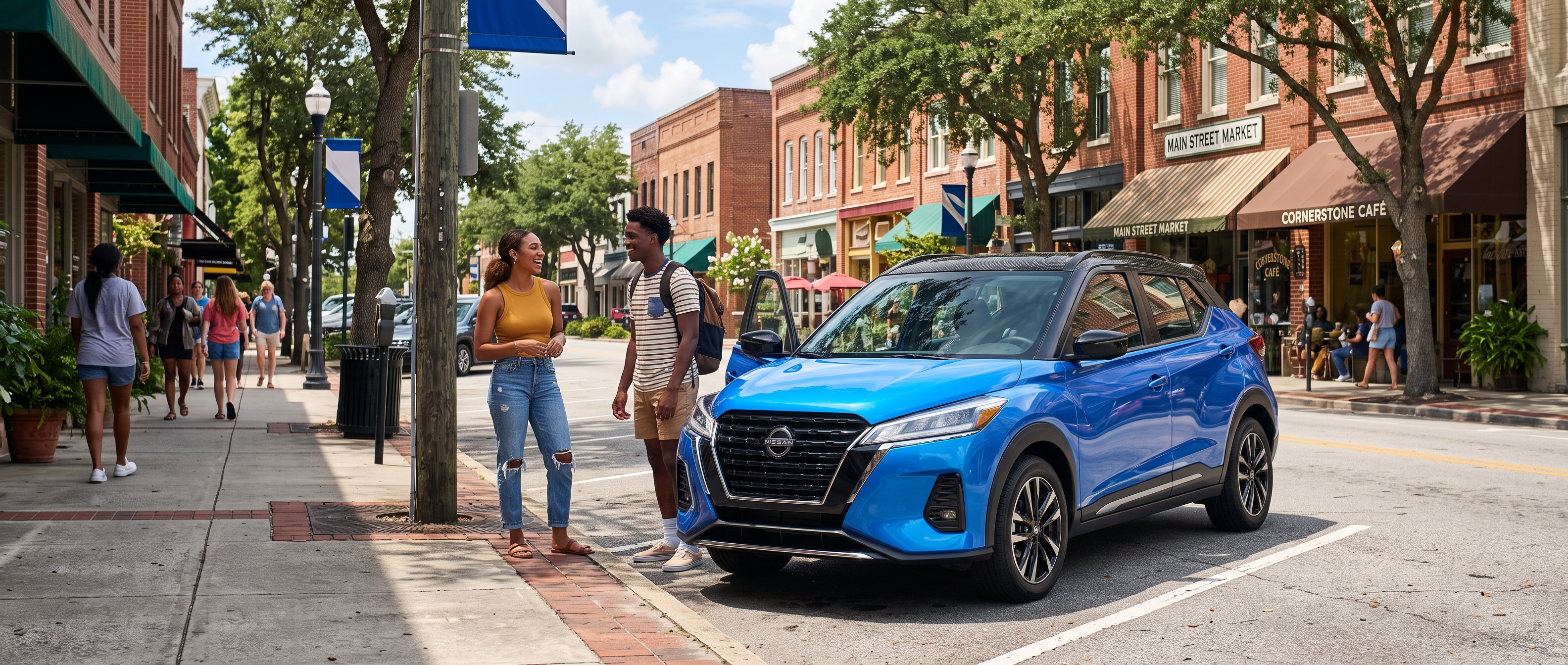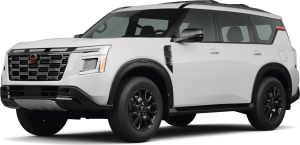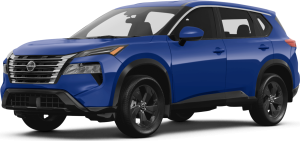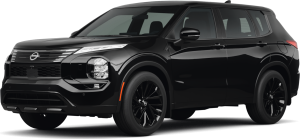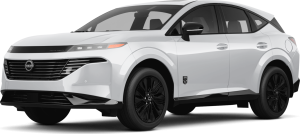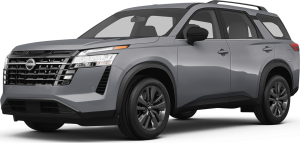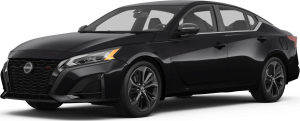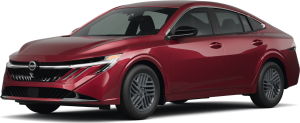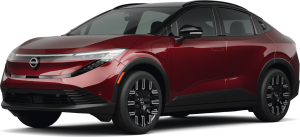

A guide to choosing the right drivetrain for Sumter's fall season. Learn how front-wheel drive, all-wheel drive, and four-wheel drive perform on wet South Carolina roads, and discover which 2026 Nissan model Rogue, Pathfinder, or Frontier matches your actual driving needs between daily commutes and lake weekends.
Most "fall driving" guides are written for places that actually get fall. Up north, October means frosty mornings, wet leaves on the pavement, and a real argument for AWD. Here in Sumter, the first day of September still hits the upper 90s with a heat index near 108 degrees, and the National Weather Service is flagging afternoon thunderstorms at 70 percent probability. Our fall arrives slowly, in sudden rain, patchy morning fog, and eventually, blessedly, comfortable October afternoons. Conditions like that raise a different question than "do I need snow tires?" A fairer question before you shop is which drivetrain actually helps on wet South Carolina roads, and which 2026 Nissan fits the life you're living between Broad Street and Lake Marion.
We're here to answer that plainly.
The 2026 Nissan Rogue is a natural starting point for that conversation, and we'll show you exactly why below.
How Do FWD, AWD, and 4WD Actually Work?
All three send engine power to your wheels, but the difference is where that power goes and whether you or the vehicle decides. FWD drives the front axle only, AWD splits torque to all four wheels on its own, and 4WD locks all four when you select it. That choice has real consequences on a wet US-378 at 7 a.m.
| Drivetrain | How It Works | Best Conditions | The Honest Downside |
|---|---|---|---|
| FWD (Front-Wheel Drive) | Engine power sent to front axle only; front wheels steer and drive | Dry or light-rain commuting, consistent surfaces | Front tires wear faster. Reduced confidence in heavy standing water |
| AWD (All-Wheel Drive) | Power distributed to all four wheels automatically; no driver input needed | Wet roads, sudden rain, uneven traction (everyday driving) | Slightly lower fuel economy; not designed for serious off-road |
| 4WD / 4x4 (Four-Wheel Drive) | Driver selects 4WD; power locked to all four wheels with a transfer case | Trail driving, soft ground, boat ramps, deep mud | Heavier, less efficient on pavement; overkill for daily commutes |
The generic guides leave out something worth saying. FWD is perfectly capable on Sumter's flat, paved roads for most daily driving. The SC Midlands don't produce the kind of ice-packed grades that make AWD a genuine safety requirement. What they do produce is sudden, heavy afternoon downpours from September into November, morning fog along low-lying corridors, and the occasional muddy boat ramp at Santee Cooper. That's the rain and fog that tips the decision.
Which Setup Do You Actually Need Here in Sumter?
For most Sumter drivers the plain answer is AWD or basic FWD, since the deciding factor is how your day actually runs, not how rugged the season sounds. Spend time on this one. The right drivetrain follows your errands, your trailer, and your job site.
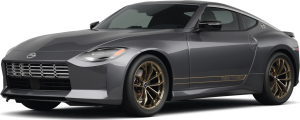
The 2026 Nissan Pathfinder and the 2026 Nissan Frontier take two different approaches to the same question. Pairing them against the Rogue gives you a clear picture.
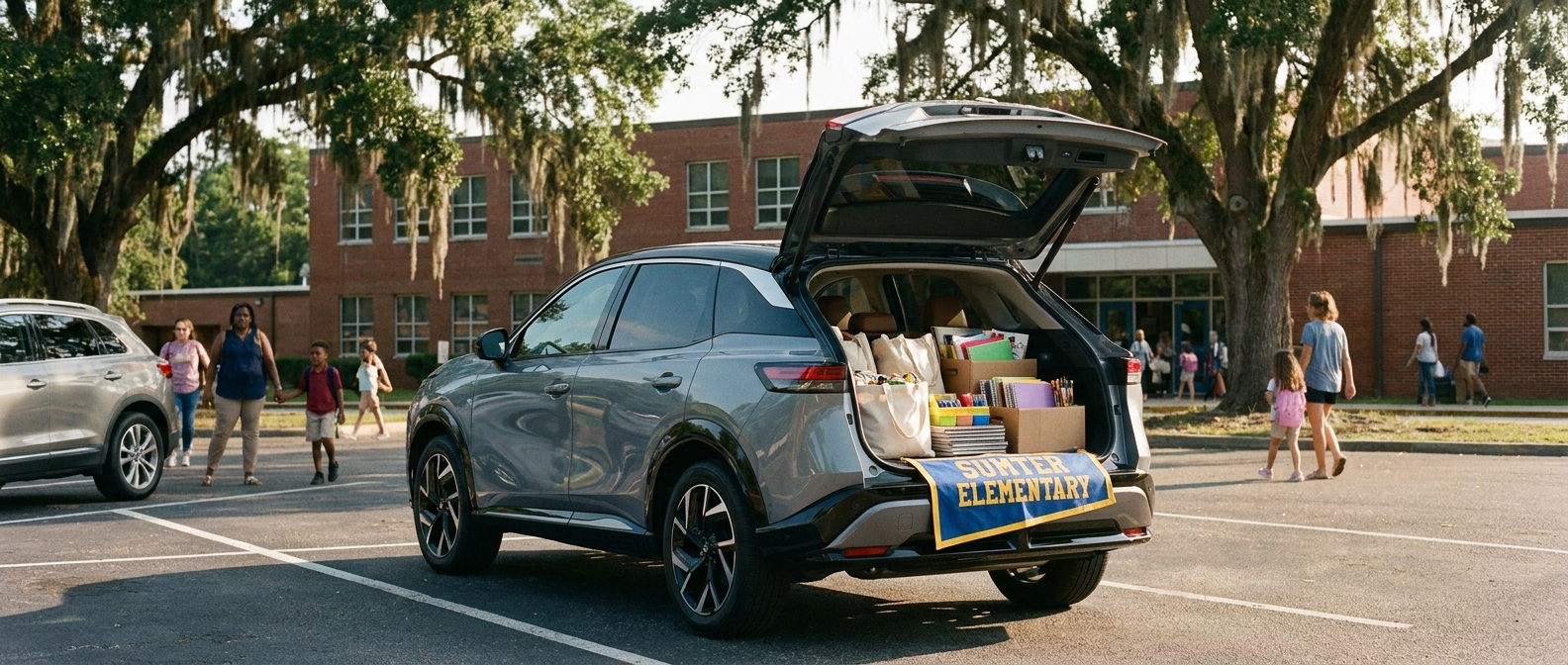
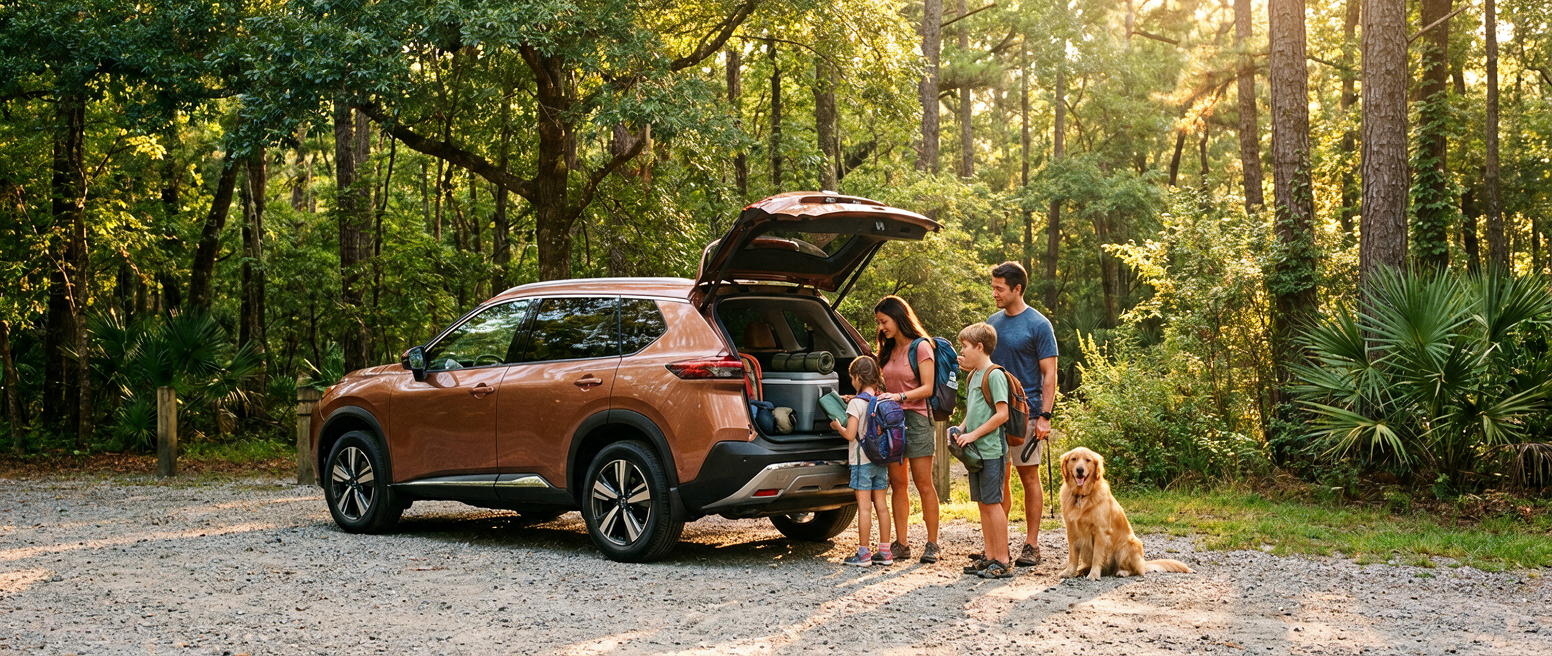
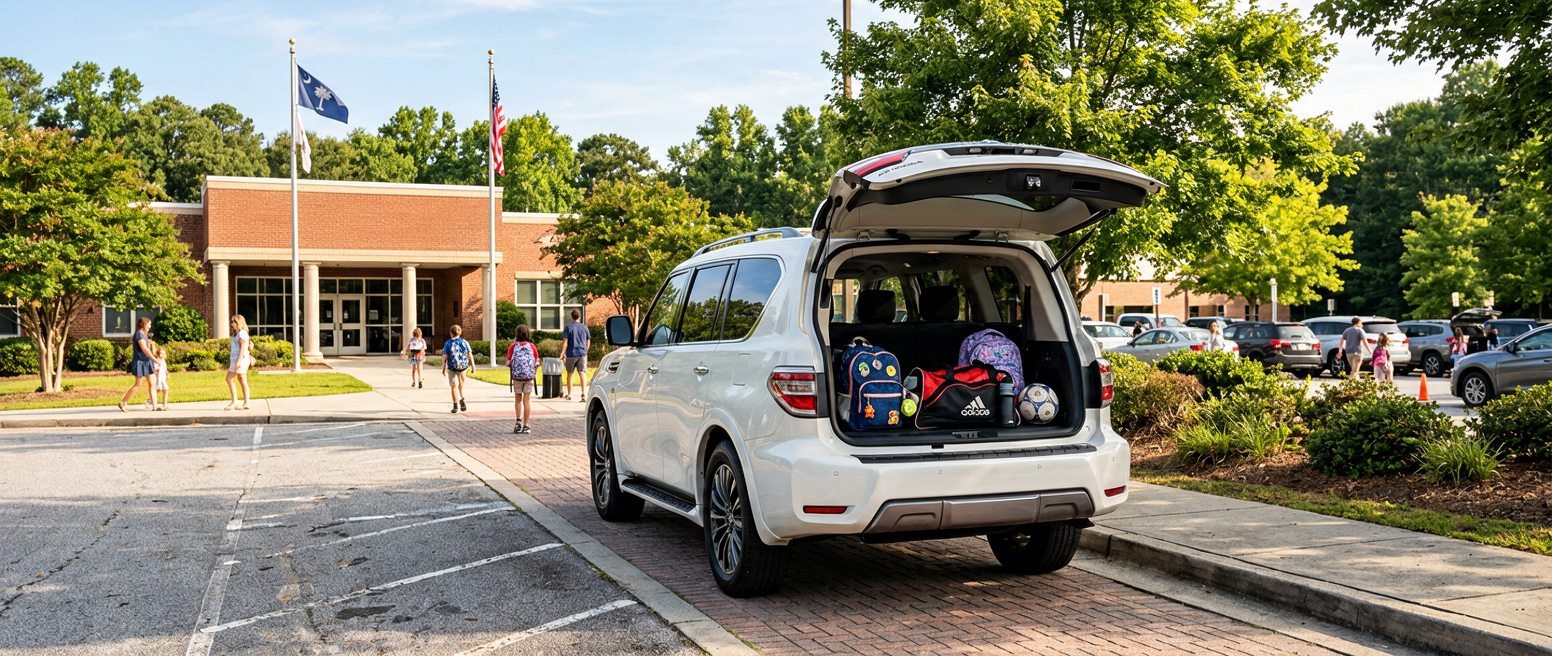
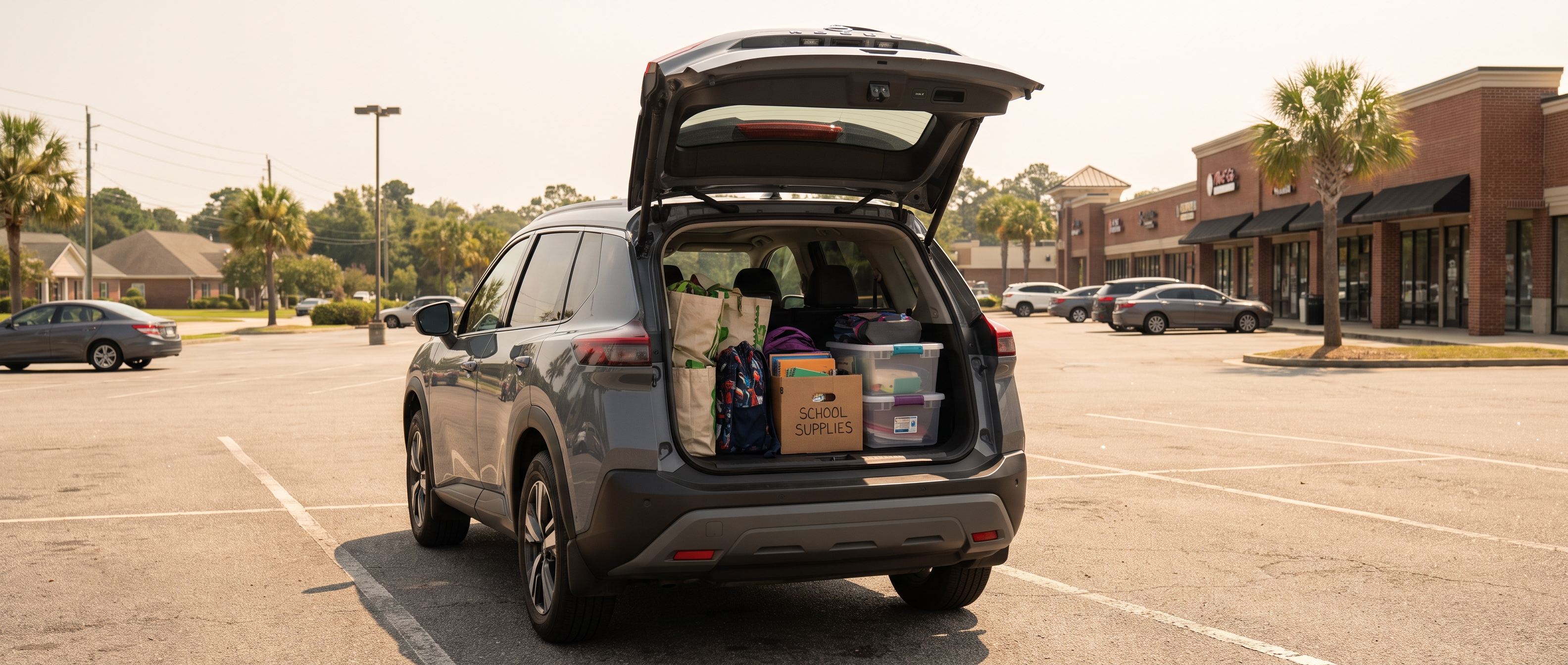
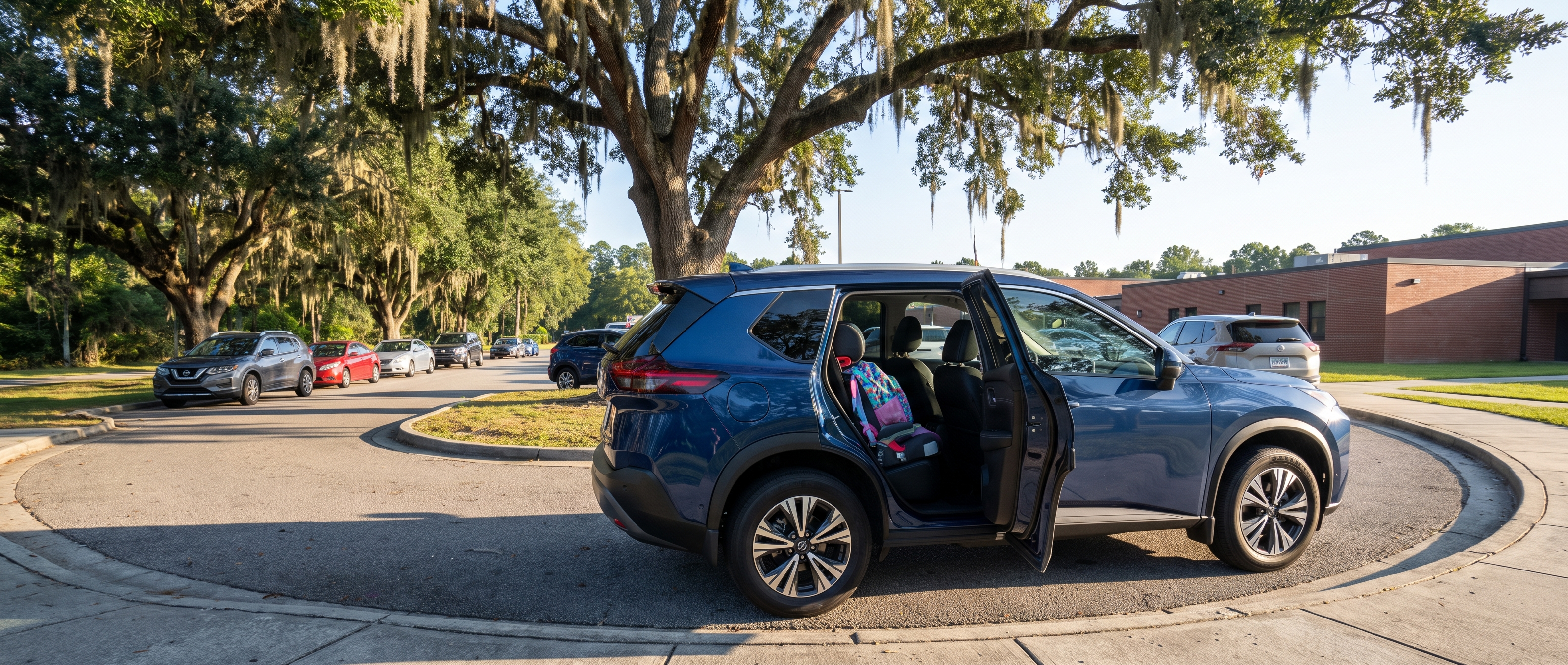
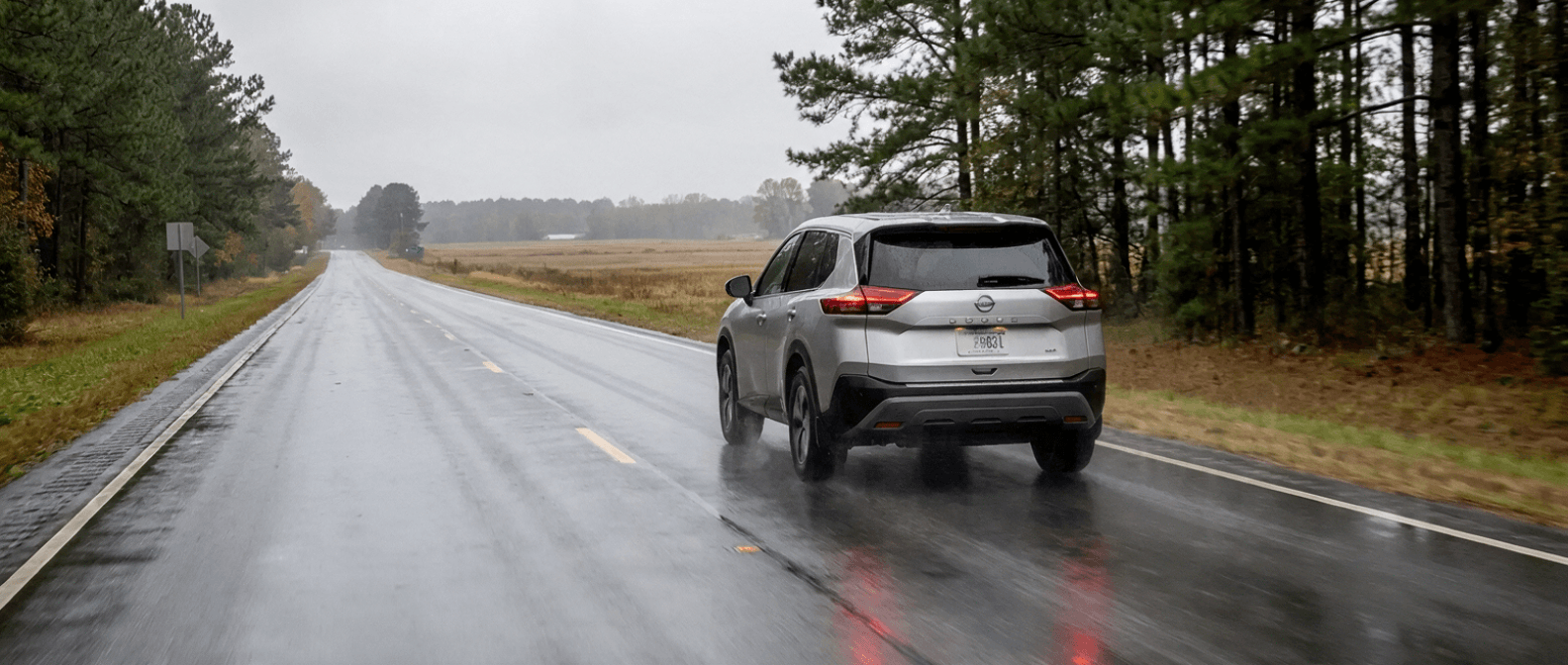
If your fall routine is the Columbia commute plus weekend family errands: The 2026 Rogue's front-wheel-drive configuration earns EPA-estimated ratings of 29 city and 36 highway. Over a year of US-378 commuting, that adds up. Add Intelligent AWD (available on most trims) when the afternoon storms roll through, and you get automatic, reactive traction support without any added driver input. The system reads wheel slip and redistributes torque before you feel the vehicle starting to slide. You don't need to remember to switch anything. For a family running school pickups, Shaw Air Force Base gate runs, and weekend errands, the Rogue's AWD setup is the quiet answer.
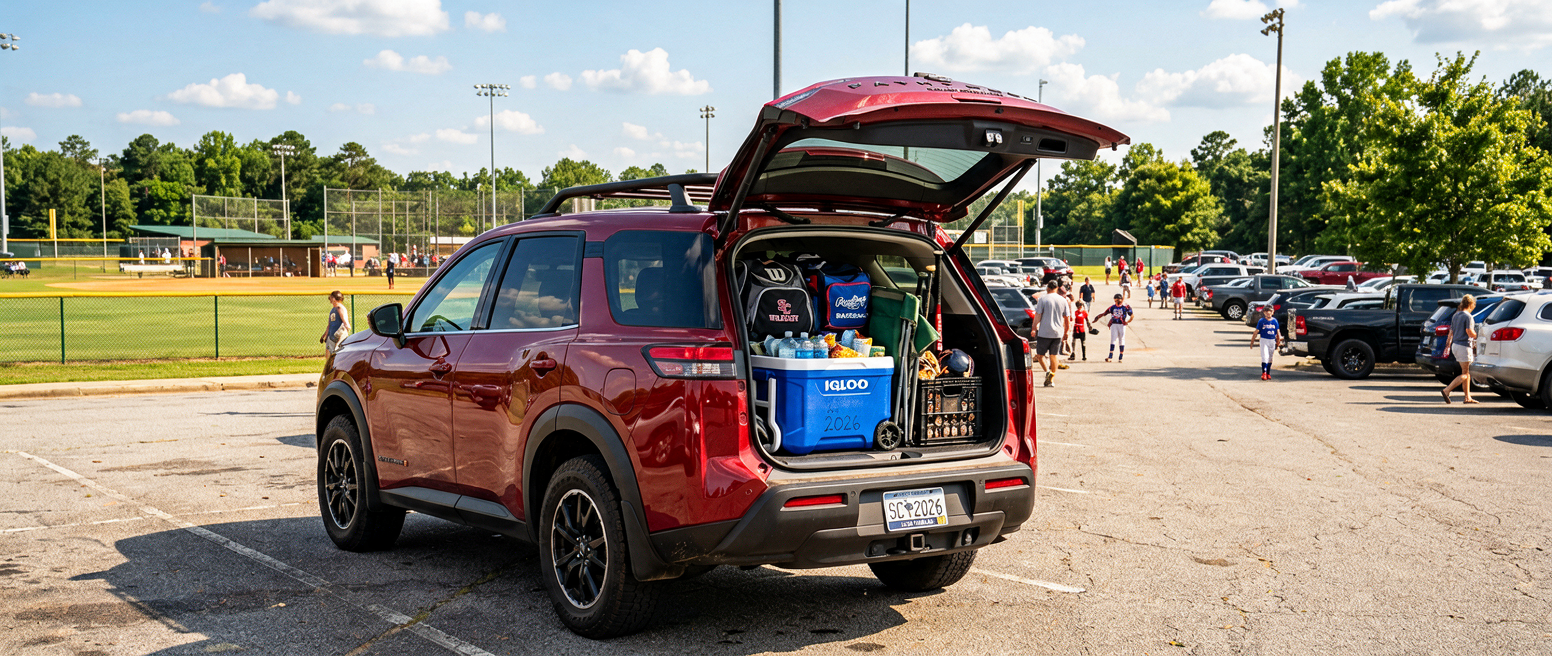
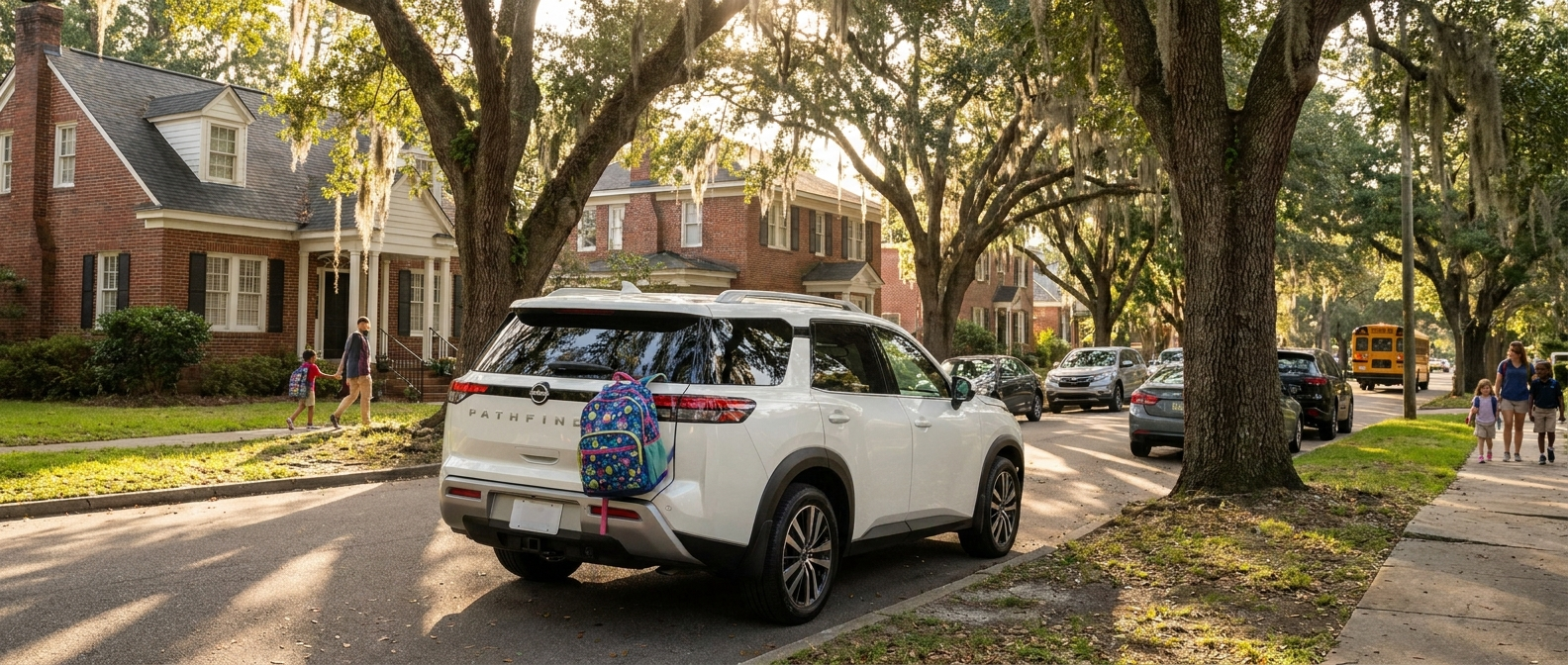
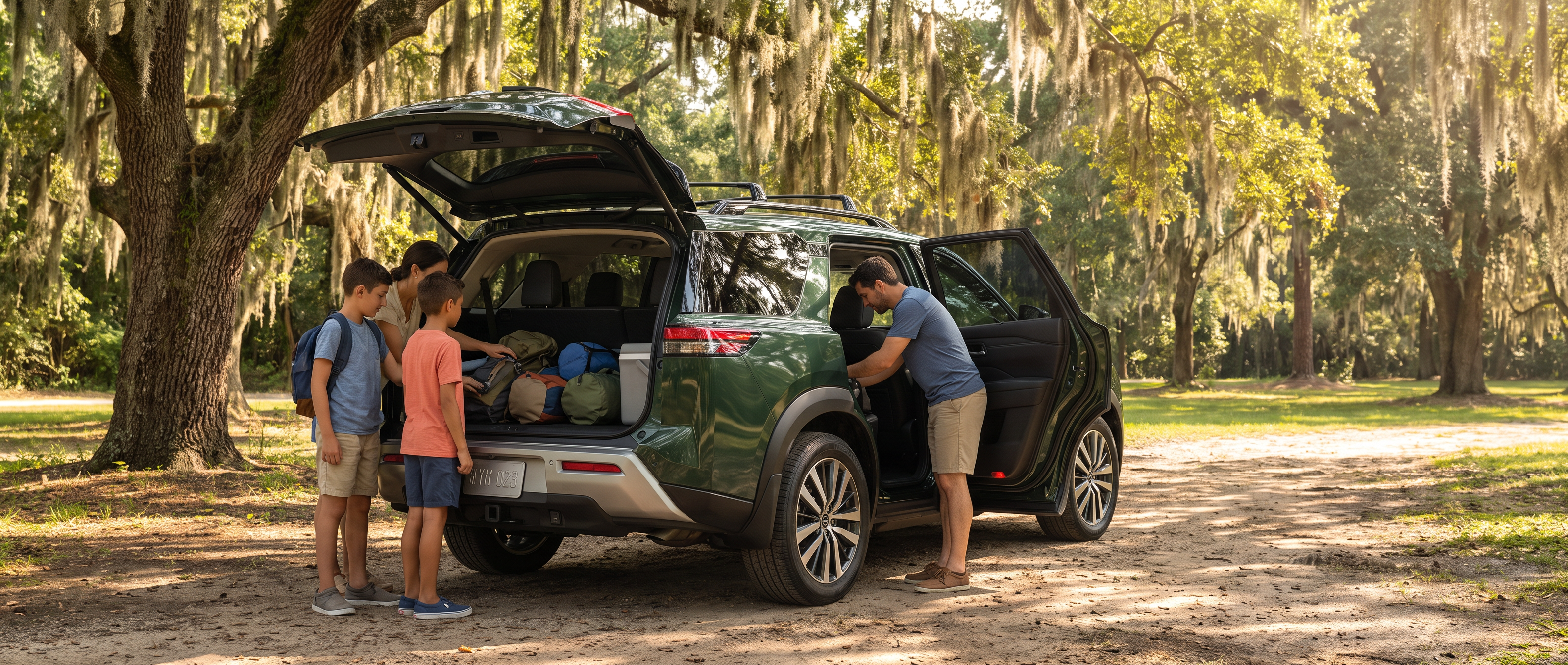
If you're fitting three rows and hauling a boat trailer to Lake Marion: The 2026 Pathfinder's 3.5L V6 produces 284 horsepower and 259 lb-ft of torque, with properly equipped models rated to tow up to 6,000 pounds. Call it a respectable fishing boat or a loaded utility trailer without working the drivetrain hard. The AWD Pathfinder also comes with a 7-position terrain mode selector, which really helps at a soft-ground boat ramp on a rainy fall morning. You're not rock-crawling. A loaded trailer on wet grass is exactly the kind of low-traction scenario where terrain mode earns its keep.
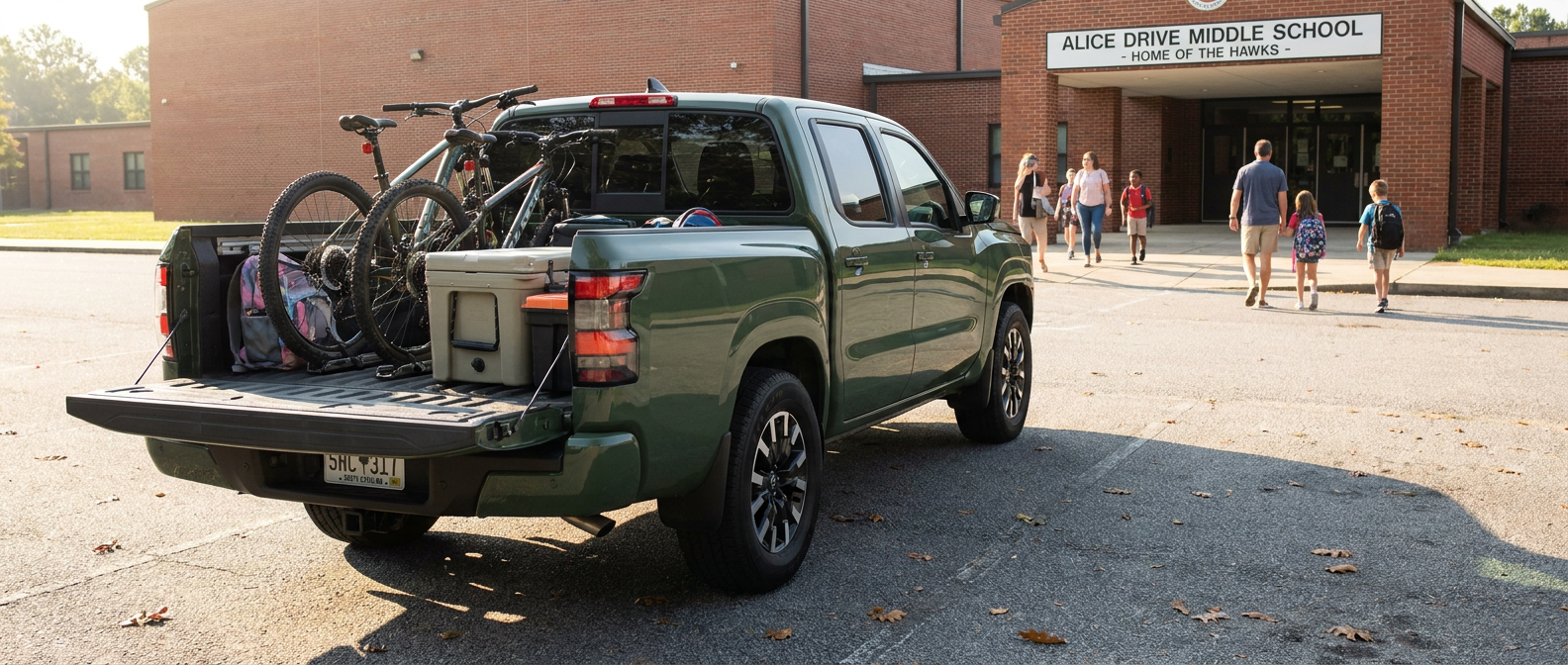
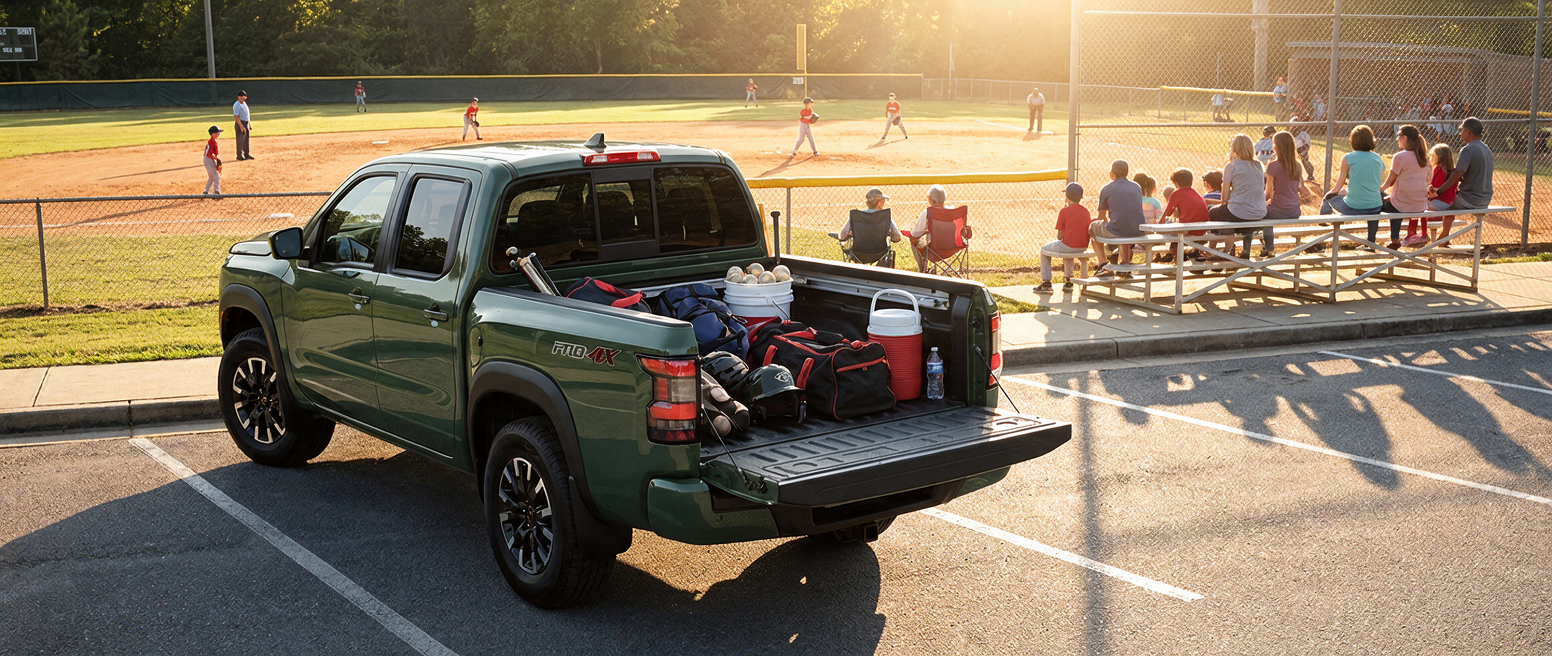
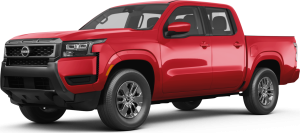
If you're hauling material, hunting gear, or running the job site before the temperature finally drops: The 2026 Frontier's standard 3.8L V6 puts 310 horsepower and 281 lb-ft of torque to work, and in certain configurations Nissan rates it at up to 7,150 pounds of towing capacity. For drives out toward Manchester State Forest, or for anyone who needs a truck bed rather than a cargo area, that spec settles it. The available 4x4 system adds driver-selectable four-wheel drive for conditions where AWD's automatic management isn't enough (a trail after overnight rain, say, or a genuinely muddy construction access road).
One honest tradeoff is worth saying out loud. If you choose the Frontier's 4x4 for pavement-only use, you're carrying drivetrain weight you'll never use and paying for it in fuel economy every week. The 4x4 earns its place when the terrain demands it. If your fall driving is school-and-commute with the occasional lake run, the Rogue's AWD does more with less.
Quick-Reference Glossary
| Term | What It Actually Means |
|---|---|
| Intelligent AWD | Nissan's system that automatically shifts torque front-to-rear when sensors detect wheel slip; no driver input required |
| Terrain Mode Selector | A dial (7-position on AWD Pathfinder) that adjusts throttle, transmission, and AWD behavior for specific surfaces: snow, mud, sand, tow, eco |
| Tow Rating | The maximum trailer weight a vehicle is rated to pull when properly equipped; always verify your specific configuration's number |
| VC-Turbo Engine | Nissan's variable-compression turbocharged engine in the 2026 Rogue; adjusts compression ratio dynamically to balance power and efficiency |
What This Means for Your Next Vehicle
The practical summary is that Sumter's fall is a rain-and-fog season more than a snow-and-ice one, and that shifts the drivetrain math in a real way. You don't need a 4x4 to handle the SC Midlands. But you do want automatic traction management if you're covering wet roads daily, and you want the right tow rating if lake weekends are part of your fall routine.
Our team's honest take? It's easy to talk yourself into more truck than you need when "fall driving" sounds rugged. For most of what Sumter throws at a driver from September through November, the 2026 Rogue with Intelligent AWD handles it. The Pathfinder earns its size when you genuinely need three rows and real towing muscle. When the job or the weekend genuinely calls for a bed and a 4x4, the Frontier is the right answer, not a spec that only looks good on paper.
All three are on our lot now at 2600 Broad St. Come drive the one that fits your actual fall, not someone else's. Browse our current 2026 Nissan inventory and see what's in stock.
Frequently Asked Questions
Do I really need AWD in South Carolina's fall season?
For most Sumter drivers, AWD is a confidence upgrade rather than a strict safety requirement. South Carolina's Midlands don't produce snow or ice that demands all-wheel traction on a regular basis. What the region does produce is heavy afternoon rain and wet roads from September through November, and AWD systems like the 2026 Rogue's Intelligent AWD respond automatically to those conditions without driver input. If your driving is limited to flat, paved roads in dry conditions, FWD handles it competently. If you're running wet roads daily, heading to lake access points, or hauling any kind of trailer, AWD gives you meaningful added security.
What is the towing capacity of the 2026 Nissan Pathfinder, and is it enough for a boat at Santee Cooper?
The 2026 Pathfinder is rated to tow up to 6,000 pounds when properly equipped with the available tow package. A typical bass boat and trailer combination in the 2,500 to 4,000 pound range fits well within that rating. Base configurations without the tow package are rated at 3,500 pounds, so if towing is a priority, confirm the trim and package before you buy. Our team can walk you through the specific configuration that matches your trailer weight.