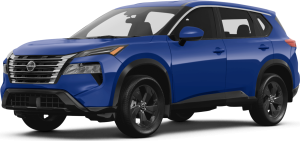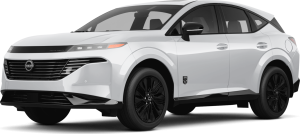

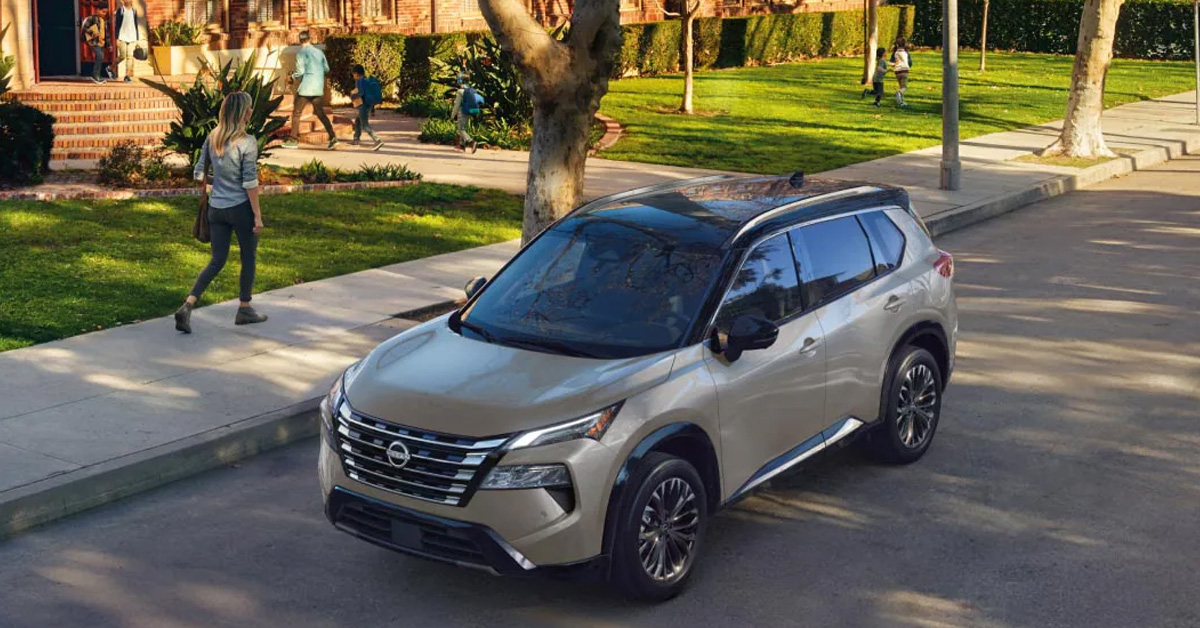
The 2026 Nissan Rogue has a clear range of strong and weak model years, with the most reliable options generally found in the late second generation and the latest redesigned models from 2024 to 2026. Certain early years, especially around major redesign periods, are known for transmission and technology issues, while newer versions deliver improved performance, updated safety systems, and better long-term dependability. Understanding these differences helps identify the best year to buy a Nissan Rogue based on budget, features, and ownership goals.
At Nissan of Sumter, our team is here to help drivers make confident decisions when shopping for a Rogue or any other SUV. We assist with sales, service, parts, and ongoing vehicle support so you can choose the right fit for your needs with clarity. Contact us or visit today to explore available Rogue models and get expert guidance tailored to your driving priorities.
Which Nissan Rogue Model Years Stand Out as the Most Reliable?
Reliability in the Rogue lineup is not evenly distributed across every model year. Some versions were built during early redesign cycles with more growing pains, while others benefited from years of refinement and engineering updates. When looking at the most reliable Nissan Rogue year, the strongest choices tend to come from later production years within each generation, where known issues had already been addressed.
For drivers in areas like Sumter, Camden, and Columbia who rely on their vehicles daily, these differences can have a real impact on long-term ownership confidence.
Standout Reliable Rogue Model Years
Several Rogue model years consistently rise to the top when it comes to long-term dependability and fewer reported mechanical issues.
Commonly recognized strong years include:
- 2019 and 2020 models with improved CVT tuning and stability
- 2024 through 2026 models with updated technology and refined engine performance
- Late second-generation models that benefited from multiple software and mechanical updates
These versions tend to offer a more balanced ownership experience, especially for drivers who want fewer surprises over time.
Why These Years Perform Better
The most reliable Rogue years typically share a few important traits that set them apart from earlier production runs.
Key improvements include:
- Refined CVT transmission performance with fewer reported issues
- More stable electronics and infotainment systems
- Improved calibration of driver assistance and safety features
- Better long-term durability due to design maturity
In practical terms, this means fewer unexpected repairs and a smoother driving experience, especially for daily commuting between cities like Camden and Orangeburg or longer highway trips through the region.
Real-World Ownership Perspective
Reliability is not just about mechanical data; it shows up in everyday use. Later-model Rogue vehicles tend to feel more consistent during stop-and-go traffic, highway merging, and long-distance travel. That consistency is often what drivers notice most after several years of ownership.
For shoppers comparing options, focusing on the most reliable Nissan Rogue year range helps narrow the search to models that have already proven themselves in real-world conditions.
Drivers who want to explore these reliable Rogue model years in person can visit Nissan of Sumter. A side-by-side comparison makes it easier to understand how different years perform and which one best fits your long-term driving needs.
What Are Considered the Best Years to Buy a Nissan Rogue?
When looking at the best year to buy a Nissan Rogue, reliability trends point to two strong sweet spots: late second-generation models and the most recent refreshed generation. In general, the best years for Nissan Rogue models tend to be 2019–2020 for used buyers and 2024–2026 for drivers who want the newest tech, improved refinement, and updated safety systems. These years reflect the strongest balance of durability, comfort, and lower reported mechanical issues across the lineup.
Most Reliable Nissan Rogue Year Range for Used Buyers
For shoppers focused on long-term dependability, the Rogue shows its strongest track record in the later second generation after early transmission concerns were addressed.
Key standout years include:
- 2019 Rogue: A widely regarded “safe pick” year with improved CVT tuning and more consistent long-term reliability reports
- 2020 Rogue: Similar strengths to 2019 with slightly more modern standard tech and refined driving behavior
These models benefit from:
- Improved CVT calibration compared to earlier redesign years
- More stable electronics and infotainment performance
- Standardized driver-assist features that reduce variability between trims
A practical example: a 2019 Rogue used for daily commuting typically delivers a more predictable ownership experience than earlier 2014–2015 models, which were more prone to transmission-related complaints and early redesign issues.
Best Years for Modern Features and Updated Engineering
If the goal is a newer vehicle with fewer compromises, the current-generation Rogue models represent the strongest overall package.
Top modern picks include:
- 2024 Rogue
- 2025 Rogue
- 2026 Rogue
These model years stand out because they include:
- Updated VC-Turbo engine tuning for smoother power delivery
- Larger, more intuitive infotainment systems with modern connectivity
- Expanded driver-assist technology and improved cabin refinement
For many drivers, this range is considered the best year to buy a Nissan Rogue if technology and comfort matter as much as reliability.
What Makes These Years Stand Out in Real-world Ownership
Across both used and newer generations, the strongest Rogue model years generally share a few consistent traits:
- Fewer CVT-related complaints compared to early redesign years
- More predictable maintenance needs over time
- Better integration of safety and infotainment systems
- Improved ride comfort for commuting and family use
In practical terms, these improvements translate into fewer surprises during ownership and a more consistent driving experience, whether the vehicle is used for highway commuting or daily errands.
If you are comparing options and narrowing down which Rogue fits your needs, focusing on these proven model years is one of the most effective ways to avoid common pitfalls and secure long-term value. For drivers who want help identifying the right Rogue in the current inventory, visiting or contacting Nissan of Sumter is the most direct way to review available options and match a model year to your driving needs.
Which Nissan Rogue Model Years Should Be Approached with Caution?
Not every Rogue model year delivers the same ownership experience. While the nameplate is generally strong overall, there are specific production years that show higher rates of mechanical and electrical complaints. These are commonly referenced when discussing the Nissan Rogue's best years to avoid, especially for shoppers focused on long-term reliability and lower maintenance risk.
Early Redesign and Problem-prone Years
Some model years stand out due to early-generation issues, particularly related to transmission behavior and electronics during redesign phases.
The most frequently flagged Rogue years include:
- 2013 Rogue: Widely considered the weakest reliability year, primarily due to severe CVT transmission failures and overheating concerns
- 2014–2015 Rogue: Early second-generation models with noticeable transmission hesitation and occasional electronic system inconsistencies
- 2018 Rogue: Reports of infotainment glitches and sporadic braking or sensor-related issues compared to surrounding years
In real-world ownership terms, these issues can show up as:
- Transmission shuddering or delayed acceleration response
- Unexpected warning lights tied to safety or braking systems
- Infotainment lag or system resets during daily driving
A common scenario involves drivers noticing subtle drivability changes in stop-and-go traffic that worsen over time, particularly in early CVT-equipped models that had not yet benefited from later software and cooling improvements.
Transitional Years that Require Careful Inspection
Some Nissan Rogue model years are not outright poor choices, but they require more careful evaluation before purchase due to mixed reliability reports.
These include:
- 2021–2022 Rogue: Early third-generation models with occasional reports of fuel smell concerns and early production recalls tied to the VC-Turbo engine in select units
For these years, condition and maintenance history matter more than the badge on the vehicle. A properly maintained example can perform well, but an inconsistent ownership history increases risk.
Key things to verify when considering these model years:
- Confirm all manufacturer recalls have been completed
- Review service history for transmission and engine-related work
- Check for smooth acceleration without hesitation or unusual vibration
- Inspect infotainment and driver-assist features for consistent operation
Why Awareness of These Years Matters
Understanding the Rogue's best years to avoid is not about dismissing the model, but about making a more informed purchase decision. Even within a single generation, Nissan made meaningful improvements over time, especially in CVT tuning, software stability, and engine refinement.
For shoppers comparing used options, the difference between a well-chosen model year and a problematic one can mean:
- Fewer unexpected repairs
- More consistent daily drivability
- Better long-term ownership costs
If you are narrowing down choices and want clarity on which Rogue years are worth considering in current inventory, working with a dealership that can explain vehicle history and condition in detail is the most practical next step. Nissan of Sumter can help identify well-maintained options and guide you toward model years that align with long-term reliability expectations.
How Do Newer Rogue Models Compare in Performance and Technology?
Newer Rogue models represent a noticeable step forward in both refinement and in-cabin technology compared to earlier generations. When evaluating Nissan Rogue's best and worst years, the most recent models (especially 2024–2026) clearly sit at the top of the lineup for overall balance. They address many of the earlier concerns seen in older models while introducing a more modern driving and ownership experience.
Performance Improvements in Recent Rogue Models
The latest Rogue generation focuses on smooth, efficient performance rather than raw power. Compared to older, more problematic years, newer models feel more controlled in everyday driving conditions.
Key performance characteristics of newer Rogue models:
- 1.5L VC-Turbo engine tuned for smoother acceleration and better fuel efficiency
- Improved transmission calibration compared to earlier CVT-heavy generations
- More refined low-speed driving behavior, especially in city traffic
- Better torque delivery for highway merging and passing
In practical terms, a newer Rogue feels more confident in daily commuting situations. For example, stop-and-go traffic in areas like Sumter or surrounding highway routes feels less jerky and more predictable than earlier models that were part of the Nissan Rogue best and worst years conversation due to inconsistent transmission behavior.
Technology and Cabin Advancements
One of the most significant differences in newer Rogue models is the jump in technology and interior usability. Earlier models often lagged behind competitors in infotainment and driver assistance integration, but that gap has narrowed considerably.
Modern Rogue models typically include:
- Large touchscreen infotainment systems with improved responsiveness
- Digital driver displays with clearer, more customizable layouts
- Expanded smartphone integration and connectivity features
- Advanced driver-assist systems with more natural calibration
Additional enhancements in newer models:
- Improved cabin materials and sound insulation
- More intuitive control layouts compared to earlier generations
- Expanded safety suite with more consistent real-world performance
These upgrades make newer Rogue models feel more aligned with current expectations for compact SUVs, especially for families or commuters who rely heavily on in-car technology.
How Newer Models Correct Earlier Issues
When comparing newer Rogue models against older years, often labeled among the Nissan Rogue's best and worst years, the improvements are noticeable in daily use:
- Earlier transmission hesitation has been reduced through tuning updates
- Infotainment stability is more consistent across trims
- Safety systems are less intrusive and more predictable in operation
- Overall ride comfort has improved through chassis refinement
This evolution matters most for drivers who plan to keep their vehicle long term. Newer models are designed to reduce the kinds of frustrations that showed up in earlier production years, while also offering more modern convenience features as standard.
What this Means for Shoppers Today
For buyers comparing options, newer Rogue models generally provide a more complete package with fewer compromises. Older vehicles may still offer value depending on condition, but the gap in technology and refinement is significant.
A simple way to think about it:
- Older models prioritize affordability but may require more careful selection
- Newer models prioritize consistency, technology, and long-term usability
For anyone evaluating current inventory and trying to avoid uncertainty tied to earlier model years, focusing on newer Rogue options is typically the most straightforward path. Nissan of Sumter can help compare available models side by side and identify which version best fits your driving needs and expectations.