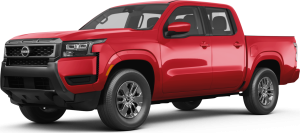

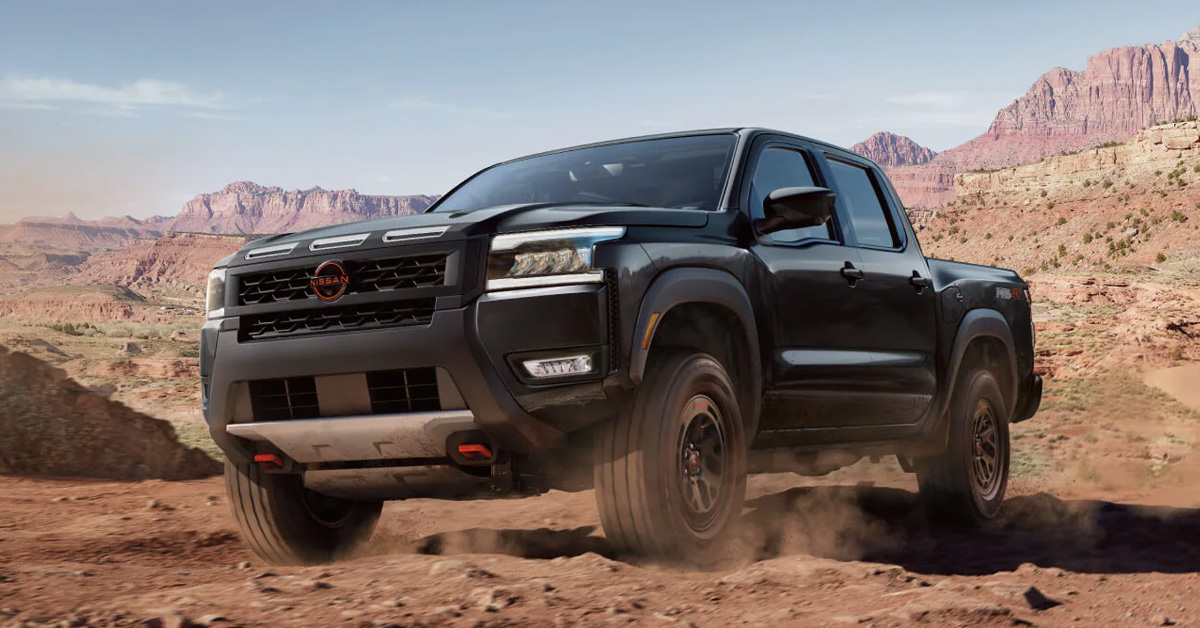
The 2026 Nissan Frontier and Ford Ranger take very different approaches to the midsize truck segment. Generally, the Frontier focuses on proven V6 power, straightforward capability, and rugged durability, while the Ranger leans into turbocharged performance and advanced technology. Drivers comparing these trucks should pay close attention to towing capability, interior practicality, off-road features, pricing, and long-term ownership expectations before deciding which model best fits their lifestyle.
At Nissan of Sumter, our team is here to help drivers explore the latest Nissan trucks and find the right fit for work, travel, recreation, and everyday driving. Whether you are shopping for a capable midsize pickup, scheduling service, or looking for genuine Nissan parts, we are committed to supporting you throughout the ownership experience. Contact or visit Nissan of Sumter today to explore the Frontier lineup and learn more about how it compares to the competition.
Comparing the 2026 Nissan Frontier and Ford Ranger
Midsize trucks continue to attract drivers who want real capability without stepping into the size and cost of a full-size pickup. The 2026 Frontier and Ford Ranger approach that goal from two different directions. One emphasizes naturally aspirated durability and straightforward truck functionality, while the other leans heavily into turbocharged performance and modern technology integration.
For many shoppers, the decision comes down to how the truck will actually be used every day. A contractor towing equipment around Columbia may prioritize dependable long-term performance, while a weekend adventurer near Camden may focus more on off-road capability and cabin comfort.
Key Differences Drivers Notice First
When comparing Nissan Frontier vs Ford Ranger specs, several differences become immediately noticeable once you look beyond horsepower numbers.
The Frontier focuses on:
- A standard 3.8L V6 engine across the lineup
- Traditional truck feel with predictable power delivery
- Flexible cab and bed configurations
- User-friendly controls with physical buttons and knobs
- Strong off-road capability in PRO-4X trims
The Ranger emphasizes:
- Turbocharged low-end torque
- Larger available digital displays
- More tech-focused interior design
- Higher maximum towing figures
- Advanced performance-oriented off-road trims
These differences shape the overall ownership experience more than many buyers initially expect.
Power Delivery and Daily Driving Feel
The way a truck delivers power matters just as much as the final horsepower number. The Frontier uses a naturally aspirated V6 that provides smooth, immediate acceleration without relying on turbo boost. Many drivers appreciate this setup because it feels consistent whether commuting through traffic or hauling gear on the highway.
The Ranger’s turbocharged engine offers stronger low-end torque, which can feel quicker during acceleration and towing situations. Drivers who prioritize rapid throttle response or frequently tow heavier loads may prefer this setup.
That distinction becomes especially noticeable during:
- Highway merging
- Passing slower traffic
- Pulling trailers uphill
- Driving with a loaded bed
Technology Versus Simplicity
Truck buyers often divide into two categories. Some want the newest digital technology possible, while others prefer straightforward functionality that feels intuitive during work or travel.
The Frontier leans toward simplicity and durability with:
- Large physical climate controls
- Easy-to-use infotainment layout
- Practical interior design
- Comfortable seating for longer drives
The Ranger takes a more modern approach with:
- Large vertical touchscreen options
- Digital instrument displays
- Extensive menu-based controls
- More software-driven customization
Neither strategy is automatically better. It depends on what the driver values most during everyday use.
Choosing the Right Truck for Your Lifestyle
The right midsize truck should fit naturally into your routine. Some drivers prioritize towing numbers and cutting-edge technology, while others want long-term reliability, manageable size, and a truck that feels durable year after year.
The Frontier appeals strongly to drivers looking for:
- Proven V6 performance
- Practical truck utility
- Off-road confidence
- Simpler long-term ownership
Meanwhile, the Ranger may attract buyers focused on:
- Turbocharged acceleration
- Maximum towing capability
- Modern cabin technology
- Advanced off-road performance trims
Drivers throughout Sumter, Orangeburg, Camden, and Columbia often discover the differences more clearly after sitting behind the wheel and comparing both trucks in person. Visiting Nissan of Sumter allows shoppers to explore the Frontier lineup firsthand, compare trims, and determine which midsize truck best matches their workdays, travel plans, and daily driving needs.
Powertrain Performance and Towing Capability
Truck buyers often focus first on horsepower and towing numbers, but real-world performance involves much more than a spec sheet. Engine design, transmission behavior, low-end torque delivery, and long-term durability all shape how a midsize truck performs over time. That becomes especially important for drivers who rely on their truck daily for work, towing, recreation, or commuting.
The Frontier and Ford Ranger each approach performance differently, giving shoppers two distinct driving experiences.
Naturally Aspirated V6 Versus Turbocharged Power
The Frontier comes standard with a 3.8L V6 engine that produces strong, linear power without turbocharging. Many truck owners appreciate the predictable feel of a naturally aspirated engine because throttle response remains smooth and consistent across a wide range of driving conditions.
The Ranger uses a turbocharged four-cylinder engine that delivers stronger low-end torque. This setup can feel quicker during acceleration and towing situations, particularly when climbing grades or merging onto highways with heavier loads.
Drivers comparing Nissan Frontier vs Ford Ranger reliability often pay close attention to this difference. Some buyers prefer the simplicity of a naturally aspirated V6 because it avoids the added complexity of turbocharging systems over long ownership periods.
Transmission and Driving Feel
Power delivery also depends heavily on transmission behavior. Both trucks use automatic transmissions with multiple gears designed to balance efficiency and performance.
The Frontier’s 9-speed automatic focuses on:
- Smooth acceleration
- Consistent gear changes
- Predictable towing behavior
- Controlled highway cruising
The Ranger’s 10-speed automatic prioritizes:
- Faster shifting response
- Aggressive torque management
- Improved fuel efficiency optimization
- Strong low-speed acceleration
In stop-and-go traffic or during daily commuting, these differences become noticeable fairly quickly.
Towing and Payload Capability
Capability remains a major deciding factor for midsize truck buyers. Whether hauling trailers, landscaping equipment, small boats, or recreational gear, towing confidence matters just as much as raw capacity.
The Frontier offers:
- Up to 7,150 pounds of towing capacity
- Payload ratings up to approximately 1,620 pounds
- Stable towing performance with V6 power delivery
- Available trailer sway support systems
The Ranger provides:
- Up to 7,500 pounds of towing capability
- Higher maximum payload ratings
- Strong torque output under load
- Confident acceleration while towing
For many drivers, the real distinction is not the small towing gap itself, but how each truck feels while pulling weight over longer distances.
Reliability and Long-Term Ownership Considerations
Reliability discussions remain central for truck shoppers planning to keep their vehicle for years. This is where the Nissan Frontier vs Ford Ranger reliability conversation becomes especially important.
Drivers who value:
- Mechanical simplicity
- Consistent engine behavior
- Lower perceived long-term complexity
- Often gravitate toward the Frontier’s V6 platform
Meanwhile, drivers prioritize:
- Modern turbocharged efficiency
- Higher torque output
- Stronger performance under heavy load
- May prefer the Ranger’s powertrain strategy
Neither approach is inherently wrong. The better fit depends on ownership goals, maintenance preferences, and driving habits.
Choosing the Right Capability Setup
The ideal midsize truck should match the kind of work and travel it will handle most often.
The Frontier tends to appeal to drivers who want:
- Traditional V6 truck performance
- Strong long-term ownership confidence
- Predictable towing behavior
- Rugged daily usability
The Ranger may fit drivers seeking:
- Strong low-end turbo torque
- Slightly higher towing capacity
- More aggressive acceleration feel
- Modern powertrain tuning
Drivers throughout Sumter, Columbia, Camden, and Orangeburg can explore the Frontier lineup at Nissan of Sumter to compare configurations, towing capability, and performance features in person before making a final decision.
Truck Size, Bed Options, and Everyday Utility
Choosing between these midsize trucks often comes down to how they fit into daily life. When looking at Nissan Frontier vs Ford Ranger size, both models offer strong capability, but they approach utility in different ways. The Frontier leans into traditional truck flexibility with multiple cab and bed combinations, while the Ranger focuses on a more streamlined setup with modern storage and convenience features.
For drivers balancing work, recreation, and family duties, those differences can have a real impact during everyday use.
Frontier Flexibility for Different Drivers
The Frontier gives buyers more configuration choices, which is a major advantage for truck shoppers who need versatility. Whether someone in Sumter needs a shorter truck for easier parking or a longer bed for hauling equipment, the Frontier lineup offers options that fit different lifestyles.
Available Frontier configurations include:
- King Cab with a longer bed for cargo-focused utility
- Crew Cab with a short bed for family-friendly versatility
- Available 5-foot and 6-foot bed lengths
- Utili-track® Channel System for adjustable cargo management
- Durable spray-in bedliner availability
- Under-seat interior storage for tools and gear
That flexibility helps the Frontier stand out for drivers who regularly carry landscaping supplies, towing accessories, camping equipment, or home improvement materials. It also gives owners more control over how they prioritize passenger space versus cargo room.
Ranger Focuses on Simplicity and Modern Utility
The Ranger keeps things simpler with a Crew Cab and short-bed setup across the lineup. For many drivers, that approach works well because it removes some of the guesswork during the buying process. The cabin remains spacious for passengers, and the truck still offers strong hauling capability for weekend projects or recreational use.
Ford also adds a few clever utility-focused touches, including:
- Integrated box side steps for easier bed access
- Available Pro Power Onboard outlets
- Large digital displays for towing and cargo monitoring
- Wide interior storage areas for smaller gear
Drivers who spend time commuting between Columbia, Camden, and Orangeburg may appreciate the Ranger’s more urban-friendly setup and technology-forward design.
Everyday Driving and Parking Differences
Size matters beyond cargo space. Maneuverability can become important when navigating parking lots, downtown streets, or tighter residential areas. The Frontier’s available King Cab configuration can feel easier to manage for drivers who want truck capability without always driving a larger family-sized cabin.
At the same time, the Ranger’s single body style creates a more consistent driving experience across trims. Families who prioritize rear-seat comfort may prefer that layout during longer trips.
When comparing the two for day-to-day ownership, many shoppers focus on:
- Bed accessibility
- Passenger room
- Cargo organization
- Parking convenience
- Flexibility for work and recreation
The Frontier continues to appeal to drivers who want a more traditional midsize truck feel with multiple configurations and practical utility features built into the design.
Drivers interested in exploring Frontier bed options, cab layouts, and utility features in person can visit Nissan of Sumter to compare trims and find the right setup for their daily routine.
Reliability, Off-Road Capability, and Long-Term Ownership
When shoppers compare midsize trucks, long-term dependability and real-world durability often matter more than peak specs on paper. Looking at Nissan Frontier vs Ford Ranger reliability, both trucks are built to handle demanding use, but they take different engineering paths that influence ownership experience over time.
The Frontier leans into mechanical simplicity and proven components, while the Ranger emphasizes turbocharged efficiency and advanced systems. Those differences shape how each truck performs after years of driving, especially for owners in areas like Sumter, Camden, and surrounding rural routes, where trucks often see mixed road and jobsite conditions.
Frontier Reliability and Mechanical Simplicity
A major reason many buyers gravitate toward the Frontier is its straightforward engineering. With a naturally aspirated V6 and a long history of refinement, it is designed to reduce complexity under the hood. Fewer high-strain components can translate into easier maintenance and a more predictable ownership experience.
Key long-term advantages often associated with the Frontier include:
- Naturally aspirated engine design with fewer turbo-related components
- Proven drivetrain architecture used across multiple model years
- Solid reputation for consistent daily-use durability
- Lower long-term maintenance complexity compared to turbocharged setups
- Strong track record in work truck and fleet applications
For drivers who plan to keep their truck well beyond the typical ownership cycle, this simplicity can be a deciding factor. It is especially appealing for those who rely on their vehicle for both weekday work and weekend travel across South Carolina.
Off-Road Capability Built for Real Conditions
Both trucks are capable off the pavement, but they approach it differently. The Frontier is often seen as the more traditional off-road-focused midsize truck, especially in PRO-4X form. It is tuned for control, traction, and durability on uneven terrain rather than outright speed.
Frontier off-road strengths include:
- Available Bilstein off-road shock tuning
- Electronic locking rear differential for improved traction
- Skid plate protection for rough terrain
- Terrain-focused drive modes for variable conditions
- Balanced suspension setup for trail confidence
This makes it well-suited for rural roads, job sites, hunting land, and recreational trails where low-speed control and stability matter most.
The Ranger, by contrast, leans toward more aggressive performance in off-road trims, prioritizing high-speed capability and suspension travel. That creates a different driving character, one that feels more performance-oriented than utility-driven.
Long-Term Ownership and Real-World Use
Over time, ownership experience is shaped by more than just capability. Maintenance costs, repair complexity, and day-to-day usability all play a role in total satisfaction.
From a long-term perspective, Frontier ownership is often associated with:
- Predictable maintenance intervals
- Strong reputation for engine longevity
- Lower dependency on complex forced-induction systems
- Consistent performance under heavy use
Drivers who routinely travel between Columbia and Orangeburg or use their truck for jobsite work tend to value that kind of consistency. It reduces downtime and helps keep ownership costs stable over the life of the vehicle.
Choosing Based on How You Actually Drive
When comparing both trucks through a practical lens, the decision often comes down to how the vehicle will be used over the next five to ten years.
Consider:
- Daily commuting versus heavy-duty work use
- Frequency of off-road driving or rural travel
- Preference for simplicity versus advanced performance tech
- Long-term maintenance expectations
For many buyers, the Frontier stands out as a dependable, straightforward truck that prioritizes durability and confidence over complexity.
Drivers interested in seeing how the Frontier’s reliability and off-road capability translate in person can visit Nissan of Sumter. A hands-on comparison can make it easier to choose the right truck for both current needs and long-term ownership goals.
Interior Technology, Comfort, and Pricing Differences
Comfort and technology play a bigger role in midsize truck shopping than ever before. When comparing Nissan Frontier vs Ford Ranger price alongside interior features, the differences are not just about cost, but about what drivers get for their money in daily usability, cabin design, and in-truck technology.
The Frontier takes a more traditional, driver-focused approach, while the Ranger emphasizes a highly digital, feature-rich interior. Both appeal to different types of truck buyers across areas like Sumter, Camden, and Columbia, especially those balancing work demands with family travel.
Frontier Cabin Design and Everyday Comfort
The Frontier cabin is built around durability and ease of use. Controls are straightforward, materials are tough enough for jobsite conditions, and the layout prioritizes functionality over complexity. That approach often appeals to drivers who want a truck that feels familiar and easy to operate without a learning curve.
Inside the Frontier, drivers typically find:
- Available 12.3-inch touchscreen display
- Physical controls for key climate and audio functions
- Nissan's “Zero Gravity” seating is designed for longer drives
- Durable materials suited for work and outdoor use
- Logical storage spaces for tools, gear, and daily items
This setup works well for drivers who regularly switch between work responsibilities and personal errands. It also helps reduce distraction, which matters when traveling longer rural routes outside Orangeburg or commuting through busier corridors near Columbia.
Ranger Interior Technology and Digital Features
The Ranger leans heavily into modern tech integration. Larger vertical screens, fully digital gauge clusters, and advanced connectivity features give it a more high-tech feel. For drivers who prioritize infotainment and digital convenience, this can be a strong advantage.
Common Ranger interior highlights include:
- Large vertical touchscreen options up to 12 inches
- Fully digital instrument cluster displays
- Advanced driver interface customization
- Integrated tech for towing and trailer monitoring
- Multiple USB and connectivity options throughout the cabin
This makes the Ranger feel closer to a modern SUV interior than a traditional truck cabin, especially on higher trims.
Comfort and Usability in Real Driving
Comfort is not only about seat material or screen size. It is about how the vehicle feels after long hours behind the wheel. The Frontier focuses on support and simplicity, while the Ranger emphasizes technology and adjustability.
For example:
- Frontier seating is designed for long-distance support with minimal adjustment complexity
- Ranger seating often includes more electronic adjustments and configuration options
- Frontier controls are more tactile and physical
- Ranger controls rely more on touchscreen interaction and digital menus
Drivers who spend long days on job sites or rural routes may appreciate the Frontier’s straightforward layout, while commuters who enjoy connected tech features may lean toward the Ranger.
Pricing and Value Considerations
When comparing Nissan Frontier vs Ford Ranger price, the decision often comes down to feature balance versus initial cost. The Frontier generally positions itself as a strong value option, especially in lower- and mid-trim models, where essential features are included without requiring expensive packages.
Key pricing considerations include:
- Frontier typically offers competitive starting pricing in the midsize segment
- Ranger pricing increases more quickly as technology and performance packages are added
- Value-focused buyers often find more standard utility features in the Frontier at lower trims
- Higher Ranger trims justify cost through advanced digital systems and performance upgrades
For many drivers, the choice comes down to priorities. The Frontier appeals to those who want capability and comfort without overpaying for complexity. The Ranger appeals to those willing to invest more for advanced tech and premium interior features.
Choosing What Fits Your Daily Drive
The right truck often depends on how it will be used day to day:
- Work-focused drivers may prioritize Frontier durability and straightforward design
- Tech-focused drivers may prefer Ranger digital integration and interface features
- Budget-conscious buyers often look closely at Frontier value across trims
- Comfort-first shoppers may evaluate both interior layouts side by side
For drivers in and around Sumter who want to compare interior features, pricing, and real-world comfort, visiting Nissan of Sumter provides a clear way to see how the Frontier stacks up in person. A hands-on comparison makes it easier to decide which truck fits both daily routines and long-term ownership goals.
What engine and performance differences exist between the 2026 Frontier and 2026 Ranger?
- Frontier: 3.8L V6 with 310 hp, smooth and consistent power delivery
- Ranger: 2.3L turbo I4 with 270 hp, stronger low-end torque, and quicker response
How do the two trucks compare in price?
- Frontier generally starts lower and focuses on value
- Ranger tends to cost more as trims and tech features increase
How much can the 2026 Frontier tow compared to the 2026 Ranger?
- Frontier: up to 7,150 lbs
- Ranger: up to about 7,500 lbs
Which truck is more fuel-efficient?
- Ranger is slightly more efficient due to its turbocharged engine
- Frontier uses more fuel but prioritizes V6 simplicity and consistency